

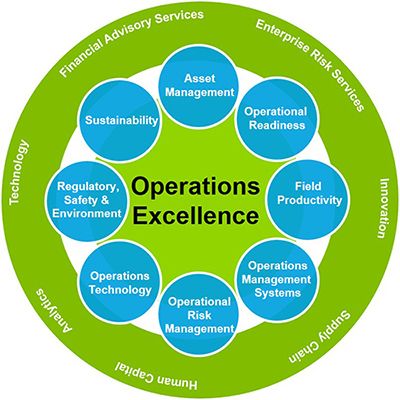
In the hypercompetitive landscape of modern technology, operational efficiency is no longer a mere operational metric; it is a fundamental strategic imperative. Organizations that master the art of doing more with less—streamlining processes, reducing waste, and maximizing resource utilization—gain a decisive competitive advantage. This article provides a comprehensive framework for improving operational efficiency, leveraging automation, process optimization, and data-driven decision-making to drive sustainable growth and profitability.
1. The Foundation: Process Mapping and Elimination of Bottlenecks
Before any efficiency gains can be realized, a clear and objective understanding of current workflows is essential. Process mapping creates a visual representation of each step in a given operation, from input to output. This exercise reveals hidden inefficiencies, redundant handoffs, and critical bottlenecks that impede throughput.
The Bottleneck Identification Protocol
Conduct a granular analysis of your most resource-intensive processes. Ask the following questions:
- Where do tasks accumulate or wait for the next action?
- Which steps rely on manual intervention that could be automated?
- Are there approval chains that cause unnecessary delays?
Once identified, prioritize bottleneck removal. This may involve reallocating resources, redesigning task sequences, or implementing parallel processing where serial steps previously existed. The goal is to create a continuous flow of work with minimal idle time.
2. Leveraging Automation for High-Volume, Low-Value Tasks
Automation is the single most powerful lever for operational efficiency in tech organizations. By shifting routine, repetitive tasks from human execution to software-driven systems, companies unlock significant time and cognitive capacity for higher-order strategic work.
Common automation targets include:
Important caveat: Automation is not a panacea. It requires careful design, testing, and oversight. A poorly implemented automation can introduce new inefficiencies or errors. The key is to automate processes that are stable, well-understood, and high-volume.
3. Data-Driven Decision Making: The Efficiency Feedback Loop
Operational improvement cannot be sustained without measurement. Implementing a robust data analytics framework allows teams to track key performance indicators (KPIs) in real time, identify trends, and make evidence-based adjustments.
| Cycle Time | Average time to complete a task | Directly measures throughput speed |
| First Pass Yield | Percentage of tasks completed without rework | Indicates process quality and waste |
| Resource Utilization | Ratio of billable to non-billable hours | Captures workforce productivity |
| Cost per Transaction | Total cost divided by number of outputs | Reveals financial efficiency |
Implement a cadence of review: weekly operational dashboards, monthly process audits, and quarterly strategic reviews. This rhythm ensures corrective actions are taken before inefficiencies compound.
4. Standardization and Scalable Frameworks
Efficiency thrives in an environment of consistency. Documented standard operating procedures (SOPs) and reusable templates reduce cognitive load and eliminate variability in execution. For technology teams, this is especially critical in areas such as:
- Code Deployment: Use CI/CD pipelines with standardized build scripts and testing protocols.
- Incident Management: Adopt frameworks like ITIL for structured response and escalation.
- Project Management: Select a unified methodology (Agile, Scrum, or Kanban) and enforce its use across teams.
Scalability note: A standardized process is infinitely easier to scale than a customized one. When new team members join or new systems are integrated, adherence to a known framework reduces onboarding friction and operational risk.
5. Continuous Improvement Culture: The Human Element
Technology alone cannot guarantee operational efficiency. The human dimension—leadership, culture, and team engagement—is the ultimate determinant of long-term success. Foster a continuous improvement mindset where every team member is empowered to identify and propose efficiency enhancements.
Effective strategies include:
- Regular retrospectives: After major projects or sprints, dedicate time to reflect on what worked and what can be improved.
- Cross-functional collaboration: Break down silos by involving operations, engineering, and support teams in process refinement workshops.
- Incentivizing innovation: Recognize and reward employees who successfully implement efficiency improvements, whether through automation or process redesign.
Remember: Efficiency is a journey, not a destination. Markets change, technology evolves, and customer expectations shift. Organizations that institutionalize a culture of agility and continuous optimization position themselves to not only survive but thrive.
Conclusion: The Efficiency Dividend
Improving operational efficiency yields compound returns. Each successful optimization reduces cost, accelerates delivery, and improves quality. The resulting efficiency dividend can be reinvested into innovation, talent development, or market expansion. By applying the principles of process mapping, automation, data-driven oversight, standardization, and cultural change, technology leaders can unlock their organization’s full potential—transforming operational efficiency from an afterthought into a core competitive engine.

Related Posts