

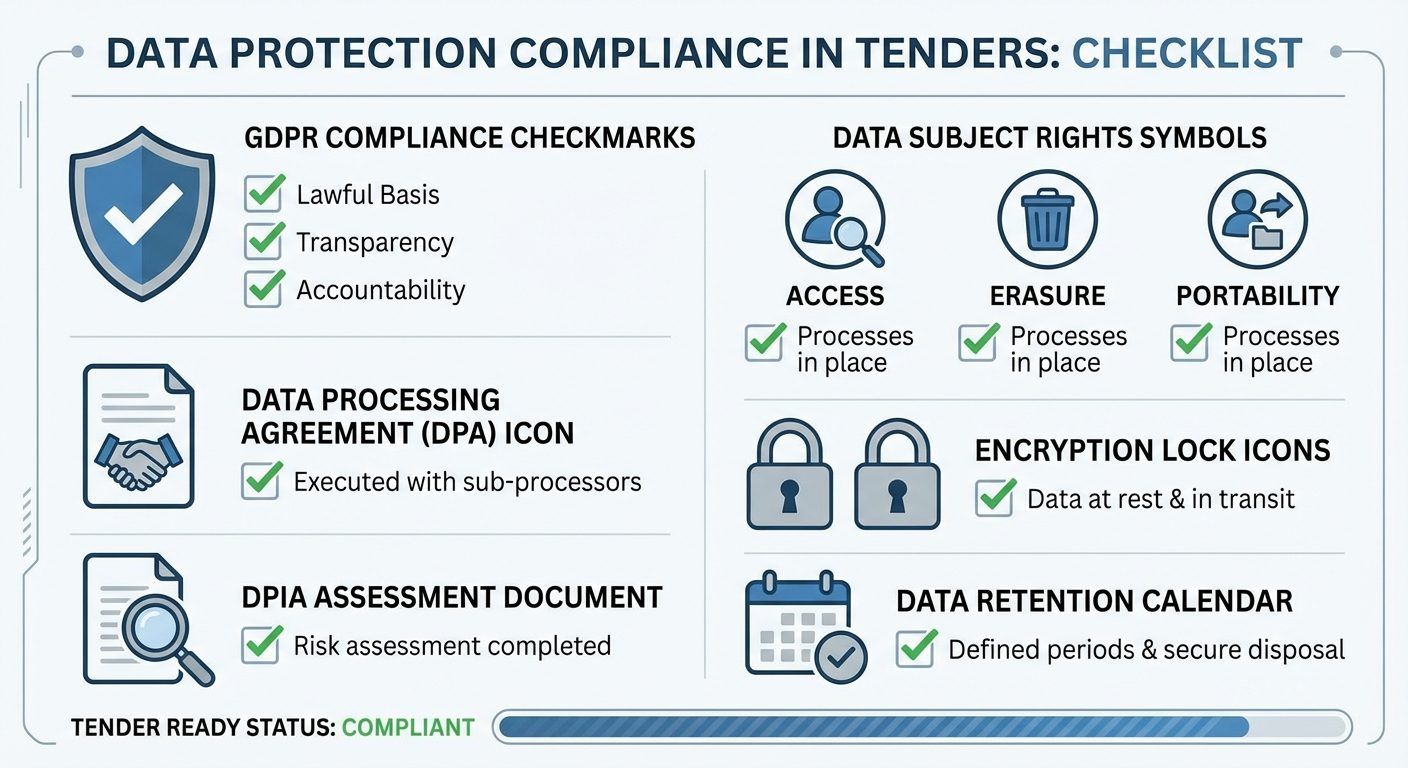
In an era where data is the lifeblood of commerce, the stakes for handling personal information have never been higher. For businesses of all sizes, data protection compliance is no longer a legal checkbox—it is a foundational pillar of trust, operational resilience, and competitive advantage. With regulatory frameworks like the GDPR in Europe, the CCPA in California, and emerging laws in Asia and South America, the cost of non-compliance can be staggering: fines reaching 4% of global turnover, irreparable reputational damage, and loss of customer loyalty.
This article provides a professional, actionable guide to achieving and maintaining robust data protection compliance. We will dissect core principles, key implementation steps, and the evolving challenges that modern businesses must address.
Understanding the Regulatory Landscape
Before implementing controls, executives must grasp which regulations apply to their operations. The territorial scope of laws like the GDPR extends beyond physical borders. Any business that processes data of EU residents—regardless of its location—falls under GDPR purview. Similarly, the CCPA applies to for-profit entities doing business in California that meet certain revenue or data volume thresholds.
Core Principles Across Major Frameworks
Despite differences in enforcement mechanisms, most data protection laws share foundational tenets. These principles should guide your compliance strategy:
- Lawfulness, Fairness, and Transparency: Data must be processed legally, with clear notice to data subjects about how their information is used.
- Purpose Limitation: Collect data only for specified, explicit, and legitimate purposes. Do not repurpose data without new consent.
- Data Minimization: Collect only what is strictly necessary for the stated purpose. Less data equals less risk.
- Accuracy: Maintain accurate and up-to-date records. Implement mechanisms for data subjects to correct errors.
- Storage Limitation: Retain data only as long as needed. Define and enforce retention schedules.
- Integrity and Confidentiality: Protect data against unauthorized access, loss, or destruction through technical and organizational measures.
- Accountability: The business must be able to demonstrate compliance—not just claim it.
Building a Compliance Framework: A Step-by-Step Approach
Compliance is a continuous process, not a one-time project. The following steps form the backbone of a robust program.
1. Conduct a Data Inventory and Mapping Exercise
You cannot protect what you do not know. Begin by cataloging all personal data across your organization:
2. Implement Privacy-by-Design and Default
Integrate data protection into your systems and processes from the ground up. This means:
- Pseudonymization and encryption as standard practices.
- Minimizing data fields in new product features.
- Conducting Data Protection Impact Assessments (DPIAs) for high-risk processing activities.
3. Establish Clear Policies and Procedures
Documentation is critical for accountability. Your policies should include:
- A Privacy Policy that is concise, transparent, and easily accessible to data subjects.
- A Data Retention Policy outlining schedules for deletion or anonymization.
- Incident Response Plan for breach notification (typically within 72 hours under GDPR).
- Vendor Management procedures to ensure third-party processors also adhere to regulations.
4. Train Your Workforce
Employees are often the weakest link. Regular training must cover:
Training should be role-specific—engineers may need deeper guidance on secure coding, while sales teams focus on consent collection.
Key Operational Controls for Compliance
Technology and governance must work in tandem. Below is a comparison of essential controls across domains:
| Access Control | Role-based access, MFA, session timeouts | Quarterly access reviews, least privilege principle |
| Data Encryption | TLS in transit, AES-256 at rest | Key management policies, rotation schedules |
| Incident Response | SIEM tools, automated alerts | Dedicated incident response team, simulation drills |
| Data Subject Rights | Portals for access/deletion requests | Defined SLAs (e.g., 30-day response for GDPR) |
| Vendor Oversight | Contractual clauses, data processing agreements | Annual vendor assessments, audit rights |
Managing Third-Party Risk and International Transfers
In a hyperconnected ecosystem, your compliance posture is only as strong as your weakest vendor. When engaging cloud providers, payment processors, or marketing platforms, ensure:
- Data Processing Agreements (DPAs) are signed and align with your obligations.
- For international transfers, use mechanisms like Standard Contractual Clauses (SCCs) or Binding Corporate Rules (BCRs).
- Regularly audit vendor security certifications (e.g., ISO 27001, SOC 2 Type II).
Continuous Monitoring and Adaptation
Regulations evolve, and so must your program. Key activities for ongoing compliance include:
Conclusion: Compliance as a Strategic Asset
Data protection compliance is not merely about avoiding fines. It is a strategic differentiator that signals trustworthiness to customers, partners, and investors. In a landscape where 83% of consumers say they will stop engaging with a brand after a data breach (according to recent surveys), businesses that invest in robust compliance programs gain a tangible edge.
By embedding privacy into your culture, leveraging appropriate technical controls, and maintaining proactive oversight, you transform compliance from a cost center into a driver of long-term value. The journey requires diligence, but the destination—a resilient, trusted organization—is well worth the effort.

Related Posts