
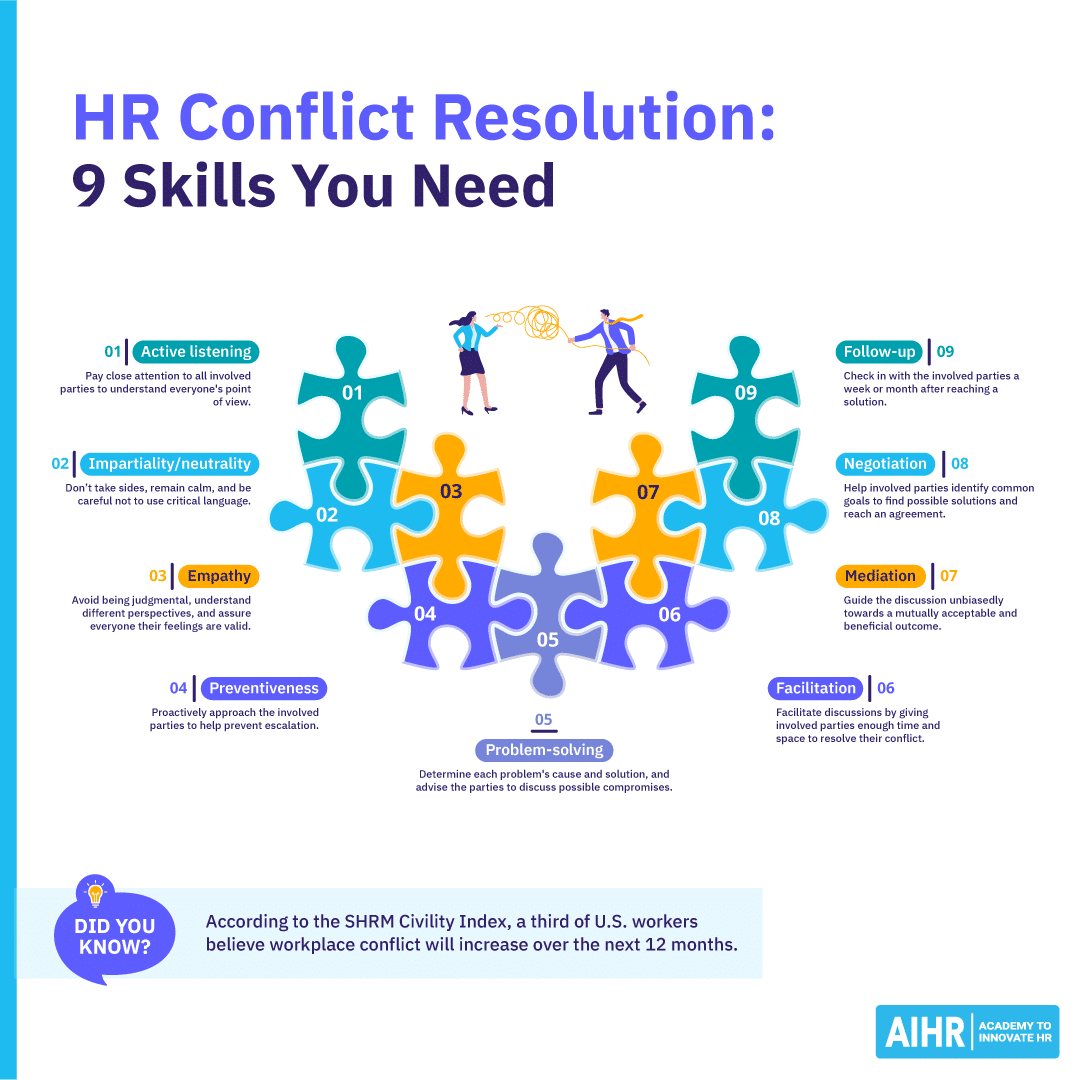
In the fast-paced environment of technology teams, conflict is not an anomaly—it is an inevitable byproduct of high-stakes collaboration, divergent expertise, and accelerated delivery cycles. When managed poorly, workplace friction erodes productivity, stifles innovation, and increases turnover. However, when approached as a structured, data-driven process, conflict resolution becomes a lever for strengthening team cohesion and optimizing organizational performance. This article provides a professional blueprint for addressing disagreements in tech-centric workplaces, emphasizing clarity, empathy, and measurable outcomes.
Understanding the Root Causes of Tech Workplace Conflict
Before deploying any resolution strategy, it is essential to diagnose the underlying sources of discord. In technology organizations, conflicts typically arise from three primary domains:
- Resource Scarcity: Competing priorities for engineering bandwidth, cloud infrastructure budgets, or design cycles often trigger disputes between product managers and development leads.
- Communication Disparities: Misaligned expectations between remote and in-office teams, or jargon-heavy exchanges between data scientists and non-technical stakeholders, create misunderstandings.
- Process Inconsistencies: Disagreements over agile methodologies, code review standards, or incident response protocols can escalate into interpersonal friction.
Effective conflict resolution begins by identifying these structural patterns rather than focusing solely on individual personalities.
The Three-Phase Resolution Architecture
Adopt a systematic, repeatable framework that moves from de-escalation to sustainable agreement. This architecture is designed for speed and fairness, both critical for maintaining sprint velocity.
Phase 1: De-escalation and Neutral Framing
Immediately following a conflict, emotions often run high. The first step is to create psychological safety. A neutral facilitator—often a team lead or a dedicated scrum master—should:
Phase 2: Structured Investigation and Data Gathering
Once the atmosphere is stable, pivot to impartial fact-finding. Use a structured approach to collect evidence and perspectives:
- One-on-one interviews with each party to capture their viewpoint without group pressure.
- Artifact review: examine relevant JIRA tickets, GitHub commit histories, or Slack threads to identify where the divergence originated.
- Impact analysis: quantify the effects of the conflict on deliverables, such as delayed releases or increased bug rates.
This phase should be completed within 24–48 hours to prevent the conflict from embedding into team culture.
Phase 3: Collaborative Problem-Solving and Agreement
Bring the parties together—now armed with data—to co-create a resolution. The facilitator should guide the discussion using the following steps:
Example: If the conflict centers on code ownership, the agreement might state: “Front-end repository ownership will rotate quarterly, with handoff documentation required three days before transition”.
Tools and Tactics for Technology Teams
Leverage existing software and frameworks to institutionalize conflict resolution. The following table outlines recommended tools for each phase:
| De-escalation | Slack huddle, Zoom | Real-time, private conversations |
| Investigation | JIRA, Confluence | Audit trail and documentation |
| Problem-Solving | Miro, Mural | Collaborative whiteboarding |
| Agreement | Notion, Google Docs | Shared contract and tracking |
Additionally, consider integrating a conflict resolution workflow into your incident management system (e.g., PagerDuty or Opsgenie). Treat unresolved interpersonal issues as “team incidents” with a priority level, escalate them through predefined channels, and set a resolution SLA (e.g., 48 hours for low-severity conflicts).
Measuring Resolution Effectiveness
To ensure that your conflict resolution process yields tangible improvements, track these key performance indicators:
- Mean Time to Resolution (MTTR): The average time from conflict identification to documented resolution. Target: under 5 business days.
- Post-Resolution Survey Scores: A brief, anonymized questionnaire asking participants if they felt heard and if the solution was equitable.
- Team Velocity Retention: Compare sprint velocity before and after the conflict resolution to assess whether friction persisted.
This data should be reviewed during retro ceremonies to refine the process continuously.
Building a Preventive Culture
Ultimately, the most effective conflict resolution is proactive prevention. Tech leaders should embed the following practices into their team’s DNA:
- Regular “State of the Team” Check-ins: Use a lightweight anonymous pulse survey every two weeks to surface latent tensions.
- Cross-Functional Pairing: Rotate roles between teams (e.g., a DevOps engineer shadowing a support team) to reduce silo-based misunderstandings.
- Explicit Decision-Making Protocols: Use a formal RACI matrix (Responsible, Accountable, Consulted, Informed) for major technical decisions to eliminate ambiguity.
By treating conflict resolution as a technical discipline rather than a subjective interpersonal hurdle, technology leaders can transform discord into a driver of innovation. The methods outlined here—rooted in data, structure, and empathy—enable teams to navigate friction with the same rigor they apply to building software. Adopt this framework, iterate on it during retrospectives, and watch your team’s resilience and output accelerate.

Related Posts