

Launching a new business is an exhilarating journey, but in the rush to develop products, acquire customers, and generate revenue, legal fundamentals are often overlooked. The thrill of innovation can quickly turn into the stress of litigation or regulatory fines. According to the Small Business Administration (SBA), nearly 40% of businesses face a legal challenge within their first five years. Understanding the most common legal missteps is not just protective—it is a strategic advantage that ensures long-term stability.
1. The Illusion of the Handshake Agreement
Many founders, especially in the tech space, operate on trust. While a verbal agreement may feel efficient, it is rarely enforceable in court when disputes arise over ownership, equity splits, or intellectual property (IP). The most expensive mistake a new business can make is failing to document formal agreements with co-founders, early employees, and contractors.
The Solution: Written Contracts for Everything
- Founder’s Agreement: Clearly define equity percentages, vesting schedules, roles, and exit clauses. Without this, a falling out can freeze company assets.
- Independent Contractor Agreements (ICAs): Specifically state that all work product, code, and designs are “works made for hire” and are the exclusive property of the company.
- Non-Disclosure Agreements (NDAs): Use these before sharing sensitive business logic or trade secrets with potential partners or investors.
A written contract is not a sign of distrust; it is the fundamental architecture of a scalable business.
2. Passing on Intellectual Property Protection
For a tech startup, intellectual property is often the most valuable asset. Whether it is a proprietary algorithm, a unique software interface, or a brand name, failing to secure IP rights is a critical error. A common trap is assuming that “if I built it, I own it.” In U.S. law, independent contractors own their IP unless a contract states otherwise.
What to Protect Immediately
Remember: IP protection is time-sensitive. A delay of even a few months can result in forfeiture of rights.
3. Using “The Wrong” Business Structure
Selecting a business entity is not a one-size-fits-all decision. Many solo tech entrepreneurs start as sole proprietors, believing it simplifies taxes. However, this structure offers zero personal liability protection. If a customer sues over a software bug or data breach, the founder’s personal assets—house, car, savings—are at risk.
| Sole Proprietorship | None | Personal tax return; self-employment tax |
| LLC | Strong (piercing the corporate veil is rare) | Pass-through taxation; flexibility |
| C-Corp (S-Corp) | Strongest for venture capital | Double taxation (C-Corp) or pass-through (S-Corp) |
Tech startups seeking angel investment or venture capital are almost always advised to incorporate as a Delaware C-Corporation. This structure allows for multiple classes of stock, attracts institutional investors, and provides a clear governance framework.
4. Ignoring Securities Laws
When raising capital, the line between “friend and family” funding and an illegal securities offering is thinner than most founders think. Under the Securities Act of 1933, any offer or sale of a security—including equity in your startup—must be registered or qualify for an exemption.
Common Violations
- Posting an investment ask on social media without verifying accredited investor status.
- Issuing “founder shares” without filing a Form D with the SEC.
- Promising future returns or “guaranteed” exit strategies.
Work with a securities attorney to ensure you comply with Regulation D (Rule 506b or 506c) or Regulation Crowdfunding. The penalty for non-compliance can be rescission rights for investors—meaning you have to give all their money back.
5. Neglecting Employment & Contractor Classification
The misclassification of workers as independent contractors instead of employees is a growing enforcement priority for the Department of Labor (DOL) and the IRS. In 2024, the DOL expanded its “economic reality test” to make it harder for companies to avoid paying employment taxes, minimum wage, and benefits.
The “ABC” Test
To lawfully classify a worker as a contractor in most states, you must prove:
If your core business is software development, hiring a developer as a contractor is a red flag for regulators. Reclassification can result in back taxes, penalties, and employee lawsuits.
6. Lack of Data Privacy Compliance
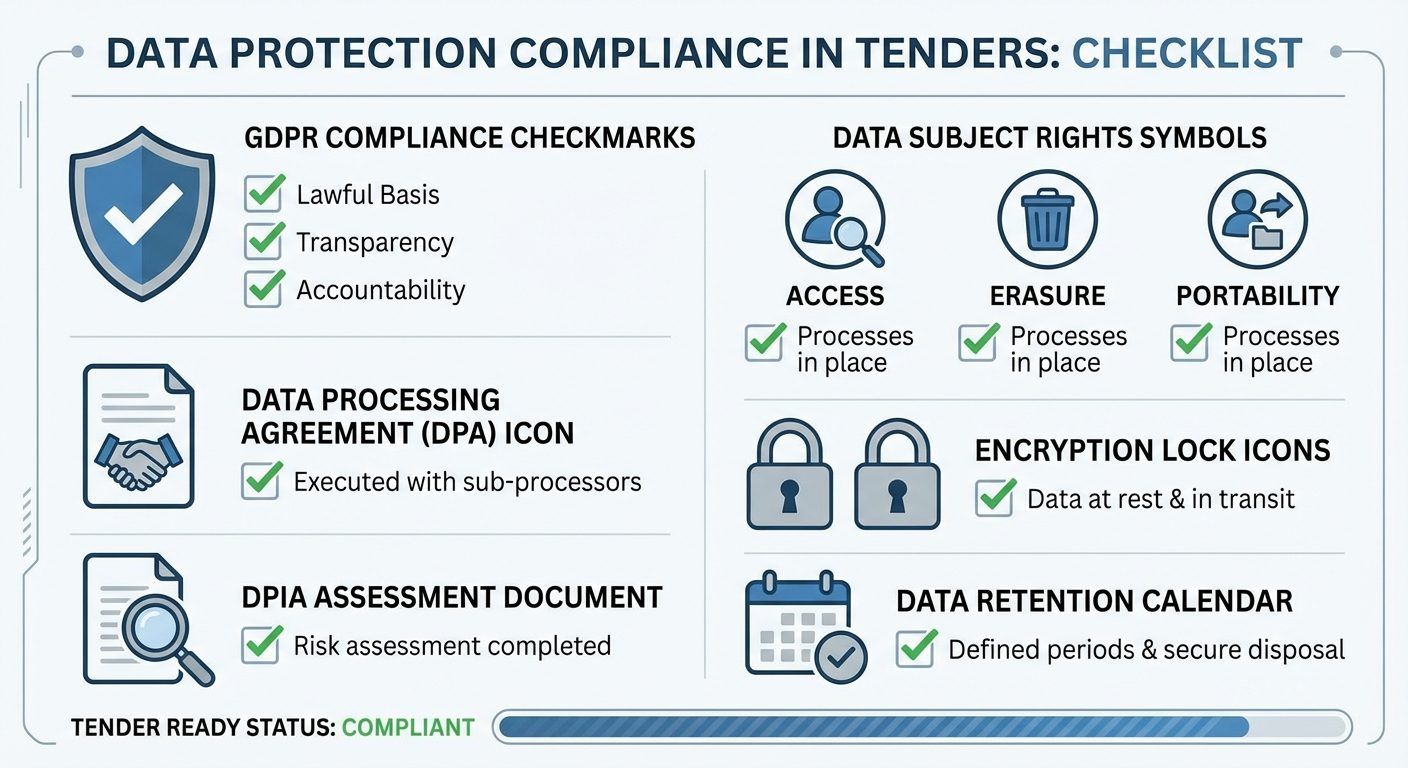
Data is the new oil, but it is also the new liability. New businesses often collect user data without understanding the legal obligations that follow. Whether you operate in California, Europe, or simply have users from those regions, non-compliance with GDPR or CCPA can result in fines of up to 4% of global annual revenue.
Minimum Compliance Steps
- Privacy Policy: Publish a clear, accessible policy describing what data you collect, why, and with whom you share it.
- Cookie Consent: Implement a consent management platform that allows users to opt out of non-essential tracking.
- Data Breach Protocol: Have a written plan for notifying affected users and regulators within 72 hours (GDPR requirement).
Ignoring privacy is not just a legal risk—it damages trust. In a market where consumers are increasingly data-conscious, transparency is a competitive differentiator.
Conclusion: Build Legal Foundations as You Build Your Product
The most successful tech founders do not treat legal compliance as an afterthought or a “nice-to-have.” They embed legal strategy into the product development cycle. By avoiding these six common mistakes—unwritten agreements, unprotected IP, improper entity selection, securities violations, misclassification, and data privacy gaps—you create a fortress around your business. Legal diligence does not slow you down; it buys you the freedom to accelerate without fear.
Invest in an experienced startup attorney from day one. The cost of a consultation is insignificant compared to the cost of a lawsuit.

Related Posts